
Commute

Commute
What Are Staff & Employee Shuttle Services
Learn about staff and employee shuttle services, including what they are and how they reduce commuting costs and improve retention among other benefits.

.avif)

Companies are on a continuous quest to find new ways to improve both employee satisfaction and productivity. One increasingly popular solution is the incorporation of staff shuttle services. But, what precisely constitutes a staff shuttle service, and how does it play a role in cultivating a workforce that is both efficient and content? In this blog, we'll explore the concept, advantages, and the escalating importance of staff shuttle services in today's corporate environment.
Key Takeaways
- A staff or employee shuttle service is a way of solving workforce transporation barriers.
- From private businesses to public organizations, employers of all types can use shuttle services to drive productivity, curb turnover, and meet environmental goals, among other reasons.
- The best employee shuttle service providers offer features like route planning, scheduling, and real-time tracking and driver communications.
Defining staff and employee shuttle services
A staff or employee shuttle service is a transportation solution provided by companies to facilitate the daily commute of their employees or contractors. Unlike traditional modes of transport like public buses or individual car commutes, staff shuttle services are dedicated vehicles operated by or on behalf of the employer. These shuttles are designed to bring employees to and from the workplace, often picking them up from designated locations like residential areas. transportation hubs, or park-and-ride spots.
Why Companies Use Staff & Employee Shuttle Services
Companies use staff and employee shuttle services for a number of increasingly important reasons, such as:
- Bridging gaps in access to the workplace in areas where public transit may be limited
- Reducing traffic and parking challenges for staff, which can improve moral and lower turnover
- Boosting staff productivity and reliability by improving ease of access to the workplace
- Supporting hiring and retention goals by expanding the areas where new hires can be sourced
How Staff & Employee Shuttle Services Work
Employee shuttle services do more than just move staff from place to place. They also offer:
- Full management of pick-up times and locations, as well as advanced route planning capabilities
- Tools for scheduling, plus real-time tracking of vehicles and real-time communication with drivers
- A choice of vehicle types with differing capacities to best meet companies' unique needs
- Options for accessbility and ADA compliance and fully defined staffing and safety standards
What Are The Benefits of Staff Shuttle Services?
Cost Savings: Employees can save on commuting costs, as the company can often bear the expenses of the shuttle service or operate significantly lower cost commuter transportation to public transport or single occupancy car journeys. This can be particularly advantageous in urban areas with high parking fees or areas with limited public transportation availability.
Reduced Stress: Commuting in crowded public transportation or navigating through traffic can be stressful. Staff shuttle services provide a more relaxed and comfortable environment for employees during their journey to and from work.
Enhanced Productivity: By offering a dedicated shuttle service, companies can provide employees with a more conducive environment to work while commuting, promoting productivity during what would otherwise be idle time.
Environmental Impact: Shared transportation reduces the overall carbon footprint as it minimizes the number of individual vehicles on the road. A Zeelo service, for example, reduces as much as 403 kg of Carbon dioxide in the atmosphere each day when providing a transportation alternative to 100 riders. This amounts to 91 tonnes per year – or the equivalent of planting 600 trees!
Improved Employee Satisfaction and Retention: A staff shuttle service is a valuable employee benefit that can contribute to higher job satisfaction and retention rates. It demonstrates an employer's commitment to the well-being and convenience of its workforce.
As businesses continue to explore ways to create a positive and efficient work environment, staff shuttle services have emerged as a particularly effective solution. By addressing commuting challenges, reducing costs, and promoting a more relaxed work atmosphere, these services play a crucial role in shaping the modern workplace. As the workplace landscape evolves, the adoption of staff shuttle services is likely to become an integral part of companies' strategies to attract and retain top talent.
Who Uses Staff Shuttle Services?
From corporate campuses and business parks, to universities, research parks, warehouse distribution centers, and beyond, here's a look at the best candidates for employee shuttle services, along with some successful examples of each.
Types of Staff Shuttle Services
Many different types of staff and employee shuttle services are available to meet a variety of needs, which can be combined and customized to meet the specific needs of any business organization. Primary types include:
- Last-mile shuttles to cover the immediate area surrounding a facility
- Multi-site shuttles to move people between buildings, campuses, or related facilities
- On-demand employee shuttles that operate only as needed
- Shift-based shuttles that offer service on a set schedule over a 24-hour period
- Recruitment shuttle services that bring job applicatns on-site, or transport recruitment teams to job fairs
What Are the Key Components of a Staff Shuttle Service?
A staff shuttle service typically involves several key components to ensure efficient and reliable transportation for employees. Here are some essential elements:
Dedicated Shuttles: Companies either own a fleet of vehicles or partner with transportation services like Zeelo to provide dedicated shuttles for their employees. Zeelo has an asset-light business model, and partners with more than 500 family-owned bus operators around the world to deliver customers with regular, reliable, optimized, carbon-neutral shuttle services for the daily commutes of their workforce.
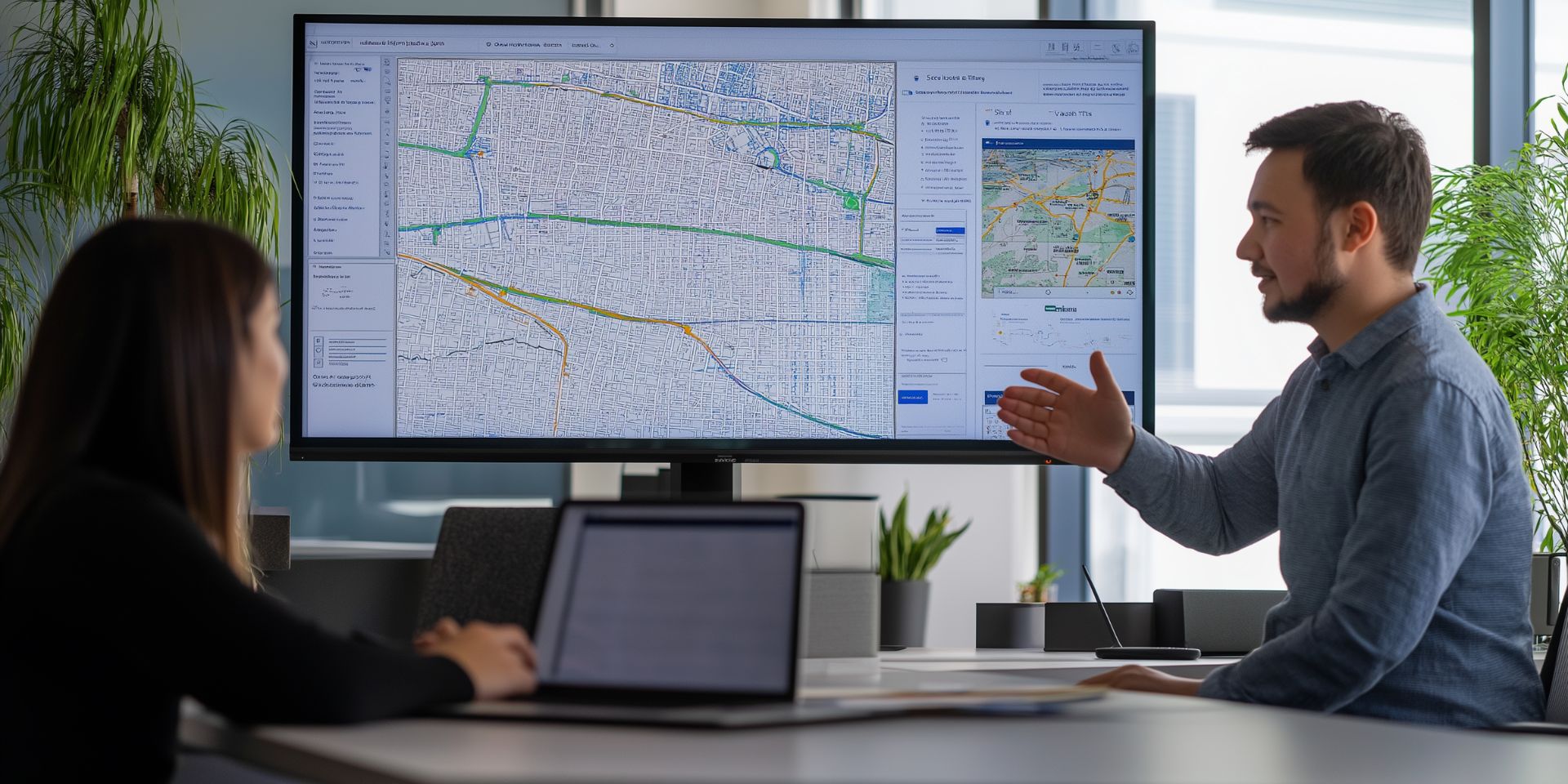
Scheduled Routes: Staff shuttle services are designed with precision, adhering to predefined routes and schedules to guarantee punctuality and enhance the overall efficiency of employee commuting. Leveraging route optimization through cutting-edge technology, companies can not only ensure timely pick-ups and drop-offs but also streamline the entire transportation process for maximum effectiveness.
Through the use of advanced route optimization tools and technology, can also reduce unnecessary costs by identifying and eliminating redundant routes. This strategic approach ensures that the shuttle service operates with optimal efficiency, focusing on the most effective routes that cater to the majority of employees.
Designated Stops: Shuttles are meticulously designed with specific pick-up and drop-off points, whic are strategically located to maximize convenience for employees. This optimization process involves the use of advanced route planning techniques and pZIP or post code data to ensure comprehensive coverage that caters to a broad spectrum of employees. By leveraging technology, companies can calculate and establish stops that not only minimise travel distances for employees but also guarantee that each is strategically positioned to accommodate the commuting needs of a diverse workforce.
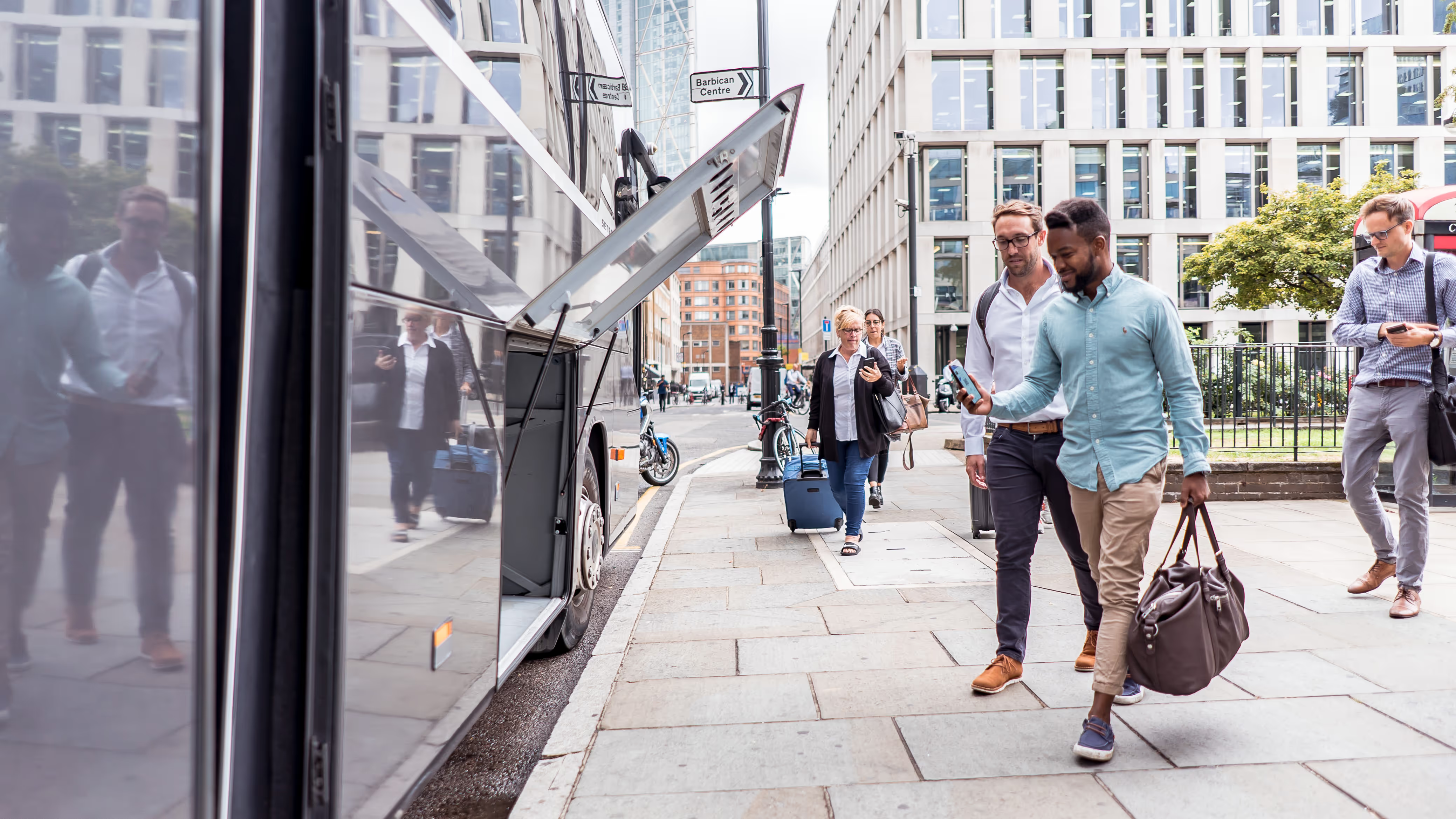
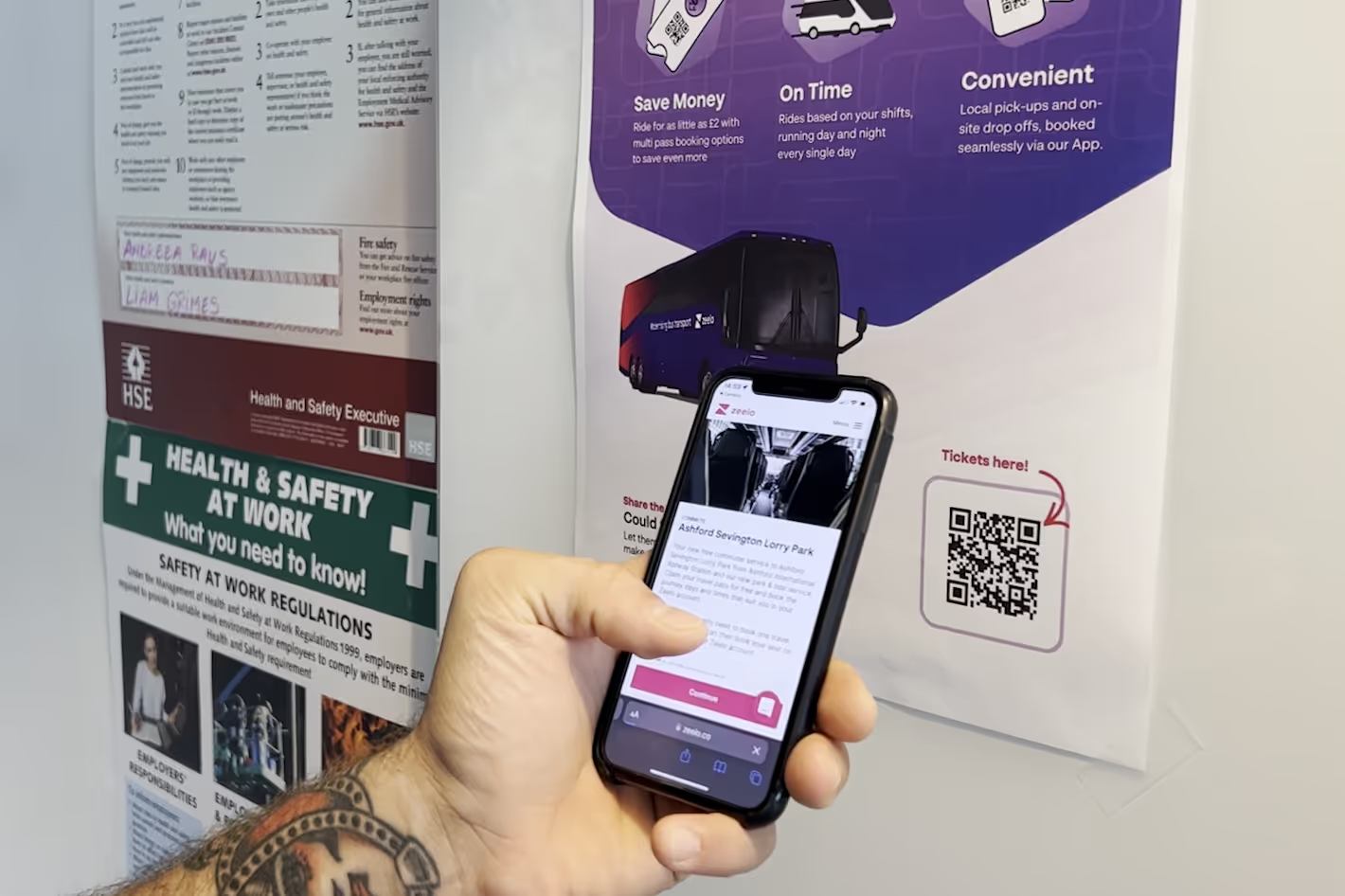
Employee Identification: Some services may require employees to show identification or use passes or QR codes to board the shuttle, ensuring security and restricting access to authorised personnel.
How Staff Shuttle Programs Support Sustainability
Employee shuttle services benefit more than employers and their staff. They can also:
- Contribute to environmental sustainability and air quality with lower emiissions from rider consolidation and EV or hybrid fleets
- Utilize AI-powered routing to optimize miileage and reduce fuel consumption, reducing tardiness and missed meetings
- Provide proof of sustainability for purposes of tax incentives with data-based CO2 and other reporting protocols
- Reduce an organization's parking construction footprint, leaving more room for functional structures and green space
By the numbers: How shared transportation reduces vehicle emissions (source)
Calculating Cost & Pricing for Staff Shuttle Services
The cost of a staff or employee shuttle depends on a number of pricing factors, including:
- Fleet type (i.e., standard, executive, electric, etc.)
- Distance covered, and the price of fuel (if applicable)
- Complexity and variability of route, including weather-related considerations
- Frequency of service and number of shifts and days covered
- Contracted versus on-demand service
- Per-rider ROI metrics, including consistency of usage
How to Set up a Staff Shuttle Program
Though each service will vary depending on an organization's unique needs, there are six main steps for setting up a staff shuttle program:
- Identify and analyze employee commuter patterns
- Map specific commuting paths and define potential transit gaps
- Select the type of fleet(s) to provide the most reliable and efficeint service
- Build routes and schedules based on accumulated data
- Launch a pilot program to gauge usage and best practices
- Report on progress and make an necessary changes to optimize service
Ready to being the process? Get started here.
In This Article:
Frequently asked questions
Who pays for a staff shuttle service?

While employers usually pay for the initial cost of employee shuttle services, that expense can be quickly offset by the benefits they receive, like greater revenue from increased productivity, lower turnover costs, and financial incentives from meeting environmental sustainability goals, among others.
How do shuttle services improve retention?
Employee shuttles can improve retention and curb the costs associated with turnover by making it easier for staff to access the workplace while improving work/life balance and job satisfaction.
What is the difference between a staff shuttle service and an employee shuttle service?
A staff shuttle service and employee shuttle service are often used interchangeably. Both refer to employer-provided transportation that helps workers travel to and from the workplace, between worksites, or transit hubs and parking areas.
What should employers consider before launching a staff shuttle service?
Before launching a staff shuttle service, employers should consider employer home locations, shift times, current commute challenges, parking capacity, public transportation gaps, expected ridership, route design, budget, vehicle requirements, and how success will be measured.
How do you measure the success of a staff shuttle program?
The success of a staff shuttle program can be measured through ridership levels, on-time performance, employee satisfaction, reduced absenteeism, lower parking demand, cost per rider, employee retention improvements, and reductions in single-occupancy vehicle trips. Employers can also track emissions savings.

ABOUT ZEELO
We help companies and schools achieve their transportation program goals
COMMUTERS
Corporate shuttles

Retain employees, increase happiness

COMMUTERS
Warehouse/Distribution
Attract employees, increase productivity

EDUCATION
Schools & Universities

Save 20% on running costs & deliver a 100% safe school transportation program

OPERATORS
Become a partner
Increase revenue and access contracts in your area

Want to know how we can help you?
Get in touch for a free consultation to see how zeelo could help your business.

More articles like this one

Trusted. Every trip.
Zeelo is the smart bus platform for organizations. We design, manage and optimize transport programs to help our clients achieve their goals.


