
.avif)
Education

Education
How Strong is your School Transportation Program?
Evaluate the strength of your school transportation program with this quick 2-minute check. Identify gaps in reliability, efficiency, and family experience.

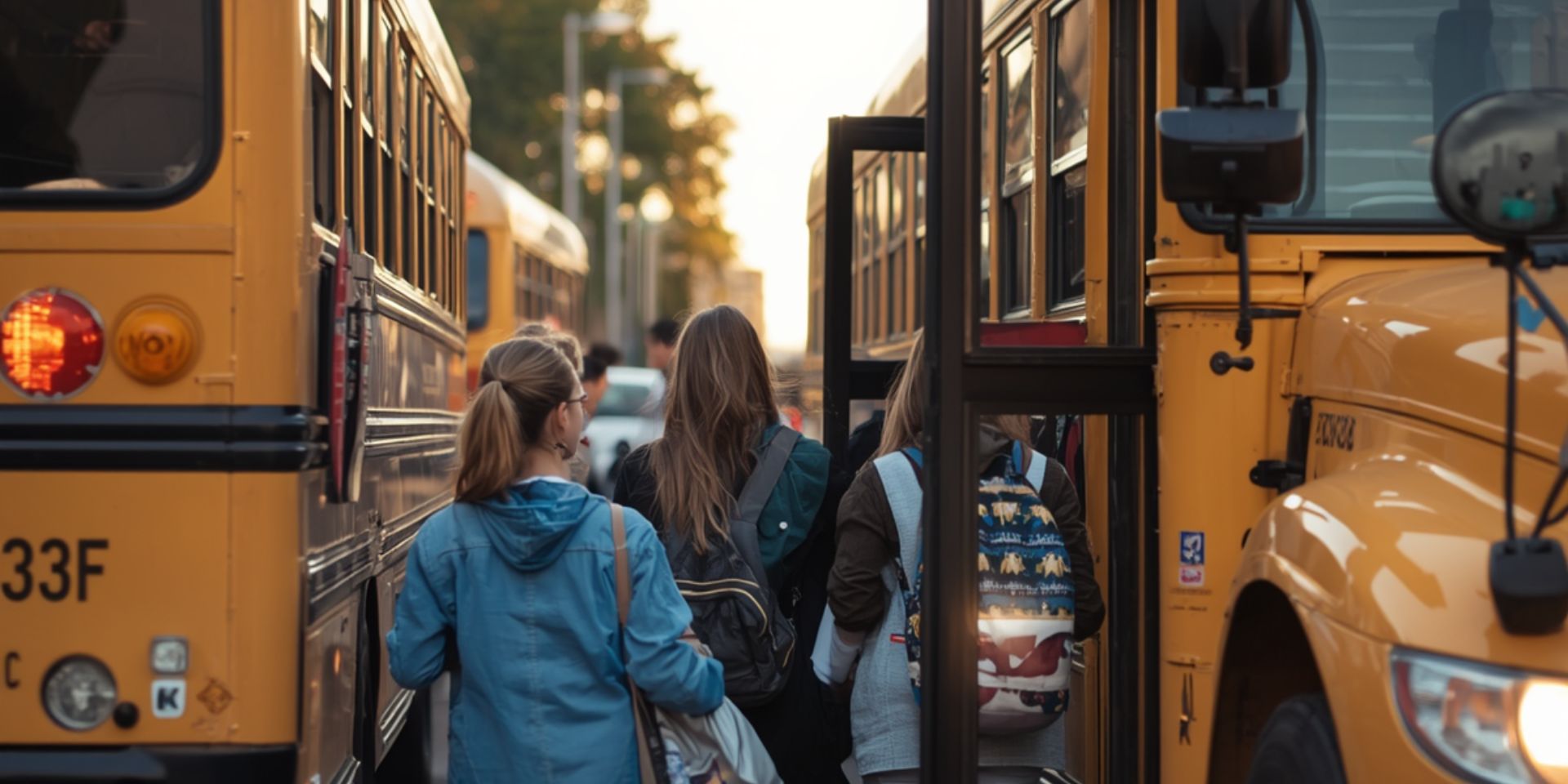
For private schools, transportation plays a bigger role than it often gets credit for.
It affects the family experience, shapes day-to-day operations, and can influence how efficiently your program runs behind the scenes. When it works well, it supports reliability, trust, and consistency. When it does not, the impact is felt quickly through delays, parent questions, administrative workload, and rising costs.
The challenge is that many transportation programs are reviewed only when something goes wrong. Over time, small inefficiencies can build into larger operational issues.
This quick scorecard is designed to help you assess where your current program stands today.
The 2-minute transportation check
Use the questions below to evaluate how well your current transportation program is performing across reliability, communication, operational efficiency, and long-term flexibility.
Your score: what it means
Once you complete the scorecard, your result will give you a high-level view of the current strength of your transportation program.
10–12 points: Strong transportation program
Your program appears well structured, reliable, and positioned to support families effectively. The next step is maintaining that performance while continuing to improve visibility and adaptability.
6–9 points: Moderate performance
Your program is functioning, but there may be inefficiencies or service gaps affecting reliability, family experience, or administrative workload. There is a clear opportunity to strengthen consistency and reduce friction.
0–5 points: At risk
Your transportation program may have gaps that are increasing cost, reducing reliability, or creating challenges for both families and staff. This is usually a sign that the model needs closer review.
What your score is really telling you
Most schools will fall somewhere in the middle.
That does not necessarily mean the program is failing. More often, it means the transportation model has not kept pace with changing family expectations, enrollment patterns, or operational demands.
Over time, even a program that once worked well can become harder to manage. Routes may no longer reflect actual demand. Communication may become too manual. Administrative oversight may grow heavier than expected. Service may still be running, but not as efficiently or as reliably as it could.
That is usually where hidden cost starts to show up.
It can appear in several ways:
- More staff time spent managing transportation issues
- Lower visibility into route performance or usage
- Family frustration caused by inconsistent communication
- Difficulty adapting as needs change year to year
These issues are often gradual, which is why they can be easy to miss until they begin affecting the wider school experience.
What stronger transportation programs tend to have in common
The strongest programs are not just the ones with buses on the road. They are the ones that are designed to operate with clarity, consistency, and flexibility.
In practice, that usually means:
- Clear visibility into route performance and ridership
- Transportation capacity that reflects real family demand
- Reliable service with fewer disruptions
- Easier communication with families
- Less manual burden on internal teams
- A model that can adjust as enrollment or route needs change
These are not just operational wins. They contribute directly to parent confidence and make transportation easier to manage over time.
How schools are improving transportation programs
For many private schools, improvement does not start with a full overhaul. It starts with understanding where the current friction points are.
That may mean taking a closer look at route usage, reviewing where administrative time is being spent, or identifying where communication with families feels reactive rather than proactive.
From there, schools can begin to improve the areas that matter most, whether that is reliability, route efficiency, family communication, or scalability.
The schools making the most progress tend to treat transportation as an important part of the broader school experience, not just a logistical necessity. That shift often leads to better decision-making, stronger service consistency, and a more sustainable program overall.
Final thoughts
Transportation touches families, students, and staff every day. Because of that, it has an outsized impact on how smoothly the school experience feels.
A strong program does more than move students from one place to another. It supports trust, improves consistency, and reduces unnecessary strain on your team.
If your score highlighted a few gaps, that is not unusual. For many schools, the biggest opportunity is simply gaining a clearer view of what is working, what is not, and where improvement will have the greatest impact.
Looking to strengthen your transportation program?
See how private schools are using more modern, data-driven approaches to improve reliability, efficiency, and family experience.
In This Article:
ABOUT ZEELO
We help companies and schools achieve their transportation program goals
COMMUTERS
Corporate shuttles

Retain employees, increase happiness

COMMUTERS
Warehouse/Distribution
Attract employees, increase productivity

EDUCATION
Schools & Universities

Save 20% on running costs & deliver a 100% safe school transportation program

OPERATORS
Become a partner
Increase revenue and access contracts in your area

Want to know how we can help you?
Get in touch for a free consultation to see how zeelo could help your business.

More articles like this one
.jpg)

Trusted. Every trip.
Zeelo is the smart bus platform for organizations. We design, manage and optimize transport programs to help our clients achieve their goals.


