

Education

Education
Can Parents Track the School Bus? Tracking, Parent Apps, and Reporting Every Transportation Provider Should Offer
School bus tracking explained: how parents follow the bus live, what the school should see, and the app and reporting features to require.


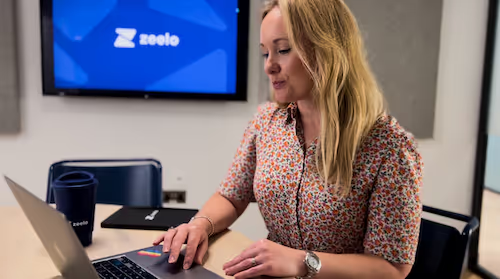
How does school bus tracking work? What should parents and schools be able to see, and what features are required from your transportation provider? Here’s what you need to know about school bus tracking, and how to improve the process with an all-in-one managed transportation provider.
How does a school bus GPS tracking system work?
Every few seconds, a GPS unit in the vehicle (which can include an app used by the driver) sends the bus’s position to the system. The parent app then places those positions on a live map and estimates an arrival time based on route, traffic trends, road construction, and whatever other data is relevant.
Location is captured in two ways: Some providers fit a GPS unit to each vehicle, which others use an app on the driver’s phone or tablet. Both systems send the same data: the bus’s position, constantly refreshed while the trip is running, but the latter requires the driver to manage the process — i.e., to start each trip and record who has boarded.
Tracking usually starts when the driver begins the trip. That means most parents can watch the bus approach well before pickup time. It also gives administrators more time to fix any issues that may arise, before they escalate (and before families notice).
Arrival time is calculated using two data inputs: where the bus is now and how busy the roads are. As traffic changes, each stop estimate can change along with it.
What should parents see in a school bus tracking app?
A good school bus app lets parents see where the bus is, when it will arrive, and whether their child is on board. It also tells them when anything changes. Here’s what schools should demand from each feature of a parent and student tracking app:
Live map and arrival time
Parents should be able to see the bus moving on a map and an arrival time for their stop that updates with traffic, well before pickup. This simplifies life for parents, who get the info they need to better coordinate pickups (and avoid long waits). The best apps also mark the exact pickup point, which is especially helpful on the first day of a new route.
Delay, arrival, and drop-off alerts
For most families, alerts matter more than maps. Few parents watch a map every morning, but nearly all of them want to be instantly notified when anything changes. An app should let parents parents choose from three main types of alert: when the bus is approaching, when it’s running late, and when their child has been dropped off. It should also let schools send urgent messages to every family on each route.
Boarding confirmation
A quick scan of a QR code scan upon boarding confirms that each student is on the bus. With some services, the driver may check a student off by name. These boarding records give parents certainty, and the school a verifiable record of who rode each trip.
Booking, changes, and support
Parents should be able to book, change, or cancel a seat with the app, up to a specific cut-off time set by the school. They should also have a specific person they can contact. So, make sure to ask whether support is staffed while routes are running, and not just during office hours.
What should schools see in a bus tracking app?
The info that a school gets to see in a bus tracking app should cover three areas. What is happening on every route, right now? Who gets contacted if something goes wrong? And how well did the service perform over the term?
Pro tip: When comparing providers, always ask to see the school dashboard as well as the parent app.
A live view of every route
Staff members should be able to see every vehicle on one screen and a live list of which students have boarded. If a student does not board as expected, the front office can call home before the bus reaches school. And schools with more than one campus should get the same view for each site.
Alerts that reach the right people
The school should be able to choose who hears about delays and disruptions. It might be the front office, a head of transportation, or every family on the route. In turn, ask the provider for one contact on their end who is accountable at all times. Agree on the rules before the first day — which delays trigger alerts, who sends them, and when. Clear rules mean fewer phone calls and surprises for families.
Reports on how the service performed
Ask for regular reports on four data points:
- On-time performance against the agreed-upon service level,
- Ridership by route and stop,
- Boarding records, and
- How support requests were resolved.
These reports will show whether the transportation service is meeting the terms outlined by the contract. They can also identify underused stops or late-running routes to be fixed between terms. In other words, service performance reporting tells you how many seats and routes you really need.
Control over who sees what
The school should also decide which families are invited, what each family can see, and which staff members can view each campus. It should have the option to switch features on or off (like letting parents request new stops). The best school bus tracking apps keep things simple for families and keep data with the people who need it.
Before you sign: Take these points to every provider you’re considering. And see our guide to what questions to ask a school transportation provider for the full list.
Who can see the bus location? Data privacy in school bus apps
Only invited families and approved school staff members should be able to see live tracking. And they should only see the trips their own children are booked on.
But that’s just the beginning of data privacy. Before signing any contract, schools should always ask a transportation provider three questions. Who can view location and ridership data? Where is that data stored? And how long is it kept?
Boarding logs should record which students rode which bus. At schools covered by the Family Educational Rights and Privacy Act (FERPA), those logs can also serve as education records. While FERPA rarely applies to private schools, the same questions about access and deletion are still worth asking.
Finally, look for independent security checks like ISO 27001 certification or an SOC 2 Type II audit report, both of which demonstrate that a respected outside authority has reviewed a provider’s data protection policies and capabilities.
Compliance you can trust: Zeelo holds ISO 27001 certification and a SOC 2 Type II report, and only the account holder and the family members they add can see a trip’s live tracking.
How Zeelo handles tracking, alerts and reporting
Zeelo is the only trusted school transportation partner that combines the parent-facing app, the school’s live view, and service reporting together in a single, all-in-one service.
The best way to ensure that every route is safe, predictable, and accountable to a single provider, the Zeelo Trusted Transportation Experience (TTX) gives schools a single point of accountability for every route, serving every student and family, every day. Parents can track buses, get alerts, and book seats in the parent and student app, while school staff members can see every vehicle, every boarded student, and key reports in the customer portal.
- 4.7 out of 5. Riders’ average rating of their Zeelo trips on U.S. school routes. (Source: Zeelo in-app rider ratings, January–November 2026)
- Live, while every trip runs. Location and arrival times update continuously from the moment the driver starts the trip, so families can watch the bus approach well before pickup. Source: Zeelo parent and student app.
- 190,000+ student rides. Completed on Zeelo’s U.S. school routes in 2026, with live tracking. (Source: Zeelo internal data, November 2026)
Zeelo has taken away the day-to-day work and handled it with care and attention. Parents have more insight into the pickup-arrival-drop-off than ever before, and the process of buying/renewing passes is incredibly smooth and simple.
VP of Finance and Administration, St. John's College High School, Washington D.C.
See how Zeelo runs school bus services, with live tracking and reporting built in: School bus transportation
Book a free transportation analysis. Trusted, every trip.
In This Article:
Frequently asked questions
How often do school bus GPS systems update their location?

Many school bus GPS systems update the bus’s location every few seconds while a trip is underway, which is fast enough for a live map and an arrival time that adjusts to traffic. Updates can pause where cell signals are weak and resume automatically once coverage returns. With Zeelo, tracking starts when the driver begins the trip, and families can follow the bus’s location in real time until it arrives.
Are there any safety concerns with school bus tracking apps?
The main safety concern with school bus tracking apps is who can see a child’s route and the location of the bus. Live tracking should be limited to invited families and approved school staff, and each family should see only their children’s trips. Ask your provider who can view location data, how long ridership records are kept, and how it handles student records. With Zeelo, only the account holder and the followers they add can see a trip’s live tracking.
What are the benefits of using GPS for school bus tracking?
GPS tracking gives parents a live view of the bus their child is on, plus an accurate arrival time, so less time is spent waiting at the stop. The school can see every vehicle in one place, know which students have boarded, and warn families about delays before the phones start ringing. The same data shows on-time performance and ridership by stop over a full term, so routes can be adjusted where needed.
Can parents get live updates on bus delays and arrivals?
Yes. A good school bus app sends a notification when the bus is running late, when it is nearing the stop, and when a child has boarded or been dropped off. Arrival times adjust automatically to reflect traffic, and the school usually decides who receives delay alerts, such as front-office staff or a transportation lead. With Zeelo, family members who follow a rider also get an email with a tracking link 45 minutes before each trip starts.
Can a school customize what its bus tracking system shows parents?
Yes, schools can customize the bus tracking systems they use when they work with a dedicated managed provider. The school decides which families are invited, which routes and stops each family can see, and whether parents can request new stops, and sets the cut-off time for booking changes. Staff access can be split by campus, so each team sees only its own routes and riders.

ABOUT ZEELO
We help companies and schools achieve their transportation program goals
COMMUTERS
Corporate shuttles

Retain employees, increase happiness

COMMUTERS
Warehouse/Distribution
Attract employees, increase productivity

EDUCATION
Schools & Universities

Save 20% on running costs & deliver a 100% safe school transportation program

OPERATORS
Become a partner
Increase revenue and access contracts in your area

Want to know how we can help you?
Get in touch for a free consultation to see how zeelo could help your business.

More articles like this one

Trusted. Every trip.
Zeelo is the smart bus platform for organizations. We design, manage and optimize transport programs to help our clients achieve their goals.


